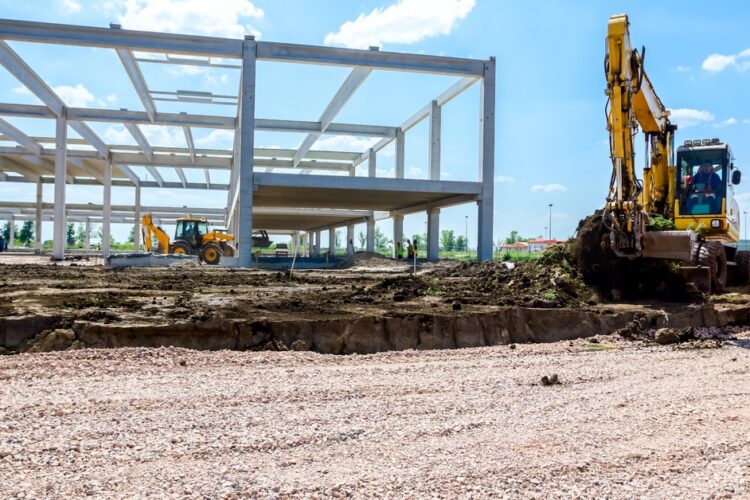
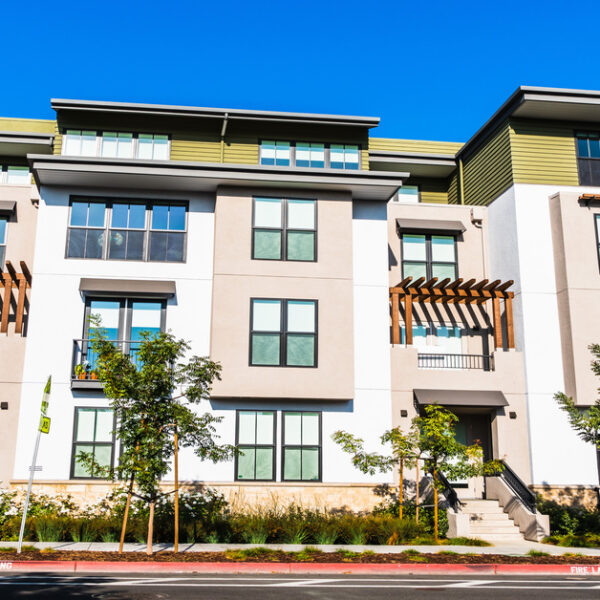
California faces one of the most severe housing shortages in the United States, with millions of residents struggling to find affordable homes. As single-family housing becomes increasingly unattainable for many Californians, multifamily housing has emerged as a critical solution to address this crisis. This housing type offers a pathway to homeownership and rental opportunities that align with the state’s economic realities and changing lifestyle preferences.
The growth of multifamily housing reflects broader demographic shifts, economic pressures, and evolving urban planning strategies. Understanding why the multifamily housing model has become popular in California is essential for the state’s future development and for those interested in pursuing managing multifamily housing projects.
What Is Multifamily Housing?
Multifamily housing refers to residential buildings designed to accommodate multiple separate housing units within a single structure. These properties include duplexes, triplexes, fourplexes, townhomes, condominiums, and apartment complexes. Each unit typically features its own kitchen, bathroom, and living spaces, providing independent living arrangements while sharing common structural elements.
Multifamily properties serve both rental and ownership markets, offering flexibility in housing arrangements. Owners can live in one unit while renting others, creating income opportunities that help offset mortgage costs and property maintenance expenses.
Factors Influencing the Growth of Multifamily Housing in California

The growth of multifamily housing in California is driven by economic, demographic, and environmental factors. With housing shortages, rising costs, and increasing urbanization, multifamily developments provide a practical solution for diverse populations. Find out why more investors are building multifamily housing projects in and around major California cities.
California Housing Crisis
California’s long-time housing crisis has reached unprecedented levels, with the state needing approximately 3.5 million additional housing units to meet current demand. The shortage affects residents across all income levels, from minimum-wage workers to middle-class professionals. State and local governments have recognized that traditional single-family development cannot address this shortage quickly enough or cost-effectively.
Legislative initiatives have improved approval processes for multifamily developments, making it easier for developers to build denser housing projects. These policies reflect California’s commitment to increasing housing supply through multifamily construction rather than continued suburban sprawl.
High Housing Costs
The median home price in California exceeds $800,000, making homeownership impossible for many residents earning moderate incomes. Multifamily housing offers a more affordable entry point into real estate ownership and provides rental options at various price points. Investors can purchase multifamily properties with better cash flow potential than single-family homes, while tenants benefit from more competitive rental rates due to economies of scale.
Construction costs for multifamily housing per unit are typically lower than single-family homes because shared walls, utilities, and infrastructure reduce overall expenses. This cost efficiency translates into more affordable housing options for California residents.
Growth of Urbanization
California’s major metropolitan areas continue attracting residents seeking employment opportunities, cultural amenities, and transportation access. Urban centers like Los Angeles, San Francisco, and San Diego have limited available land for new single-family developments, making vertical and denser construction necessary. Multifamily housing maximizes land use efficiency in these constrained environments.
Transit-oriented development policies encourage multifamily housing near public transportation hubs, reducing residents’ reliance on personal vehicles. This planning approach supports environmental goals while providing convenient access to employment centers and services.
Change of Preferences to Multifamily Living
Younger generations increasingly prefer urban lifestyles that prioritize convenience, walkability, and community amenities over large private spaces. Multifamily developments often include shared facilities like fitness centers, rooftop gardens, and co-working spaces that appeal to these preferences. The popularity of remote work has also done away with large home offices, making smaller multifamily units more attractive.
Environmental consciousness drives some housing choices toward multifamily living, which typically has a smaller carbon footprint per person than single-family homes. Shared resources like heating, cooling, and utilities create greater energy efficiency.
Benefits of Multifamily Housing
Multifamily housing offers numerous advantages that cater to modern lifestyles and environmental priorities. These benefits extend beyond just affordability, encompassing social, economic, and ecological aspects that make this type of housing an appealing option for many individuals and families. Below, we explore the key benefits of multifamily housing in detail.
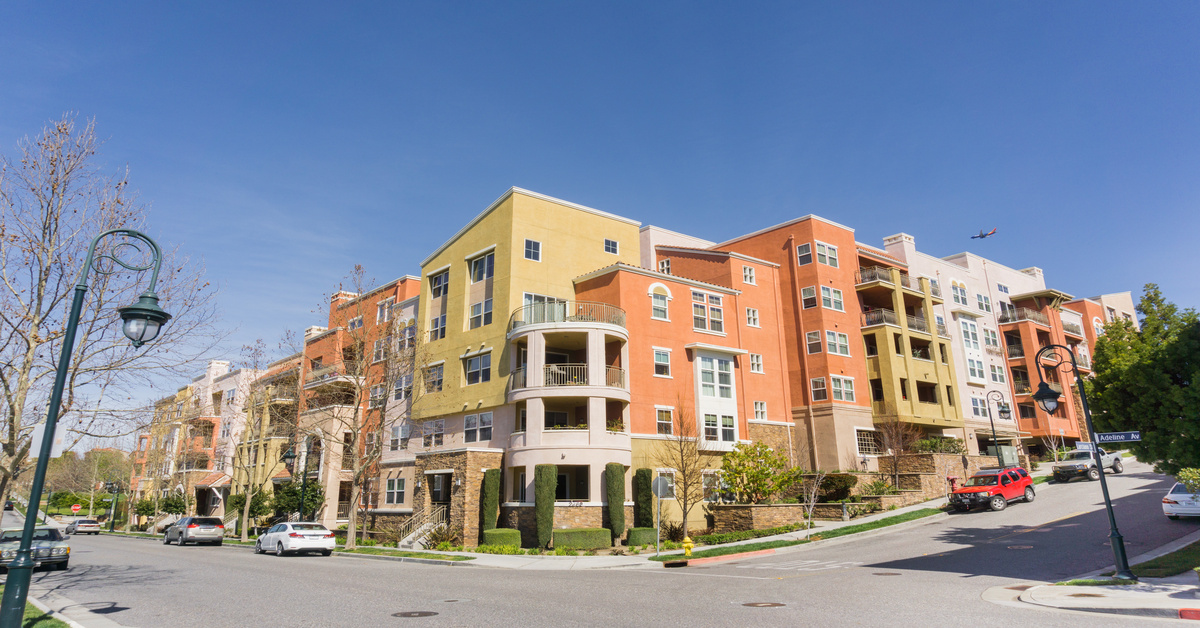
Affordability
Multifamily housing addresses California’s affordability crisis through multiple mechanisms. Construction costs per unit are lower due to shared infrastructure and materials, allowing developers to offer units at reduced prices. Property taxes and insurance costs spread across multiple units, decreasing individual owner expenses.
For investors, multifamily properties generate multiple income streams that can cover mortgage payments and maintenance costs more reliably than single-family rentals. This financial stability makes real estate investment accessible to buyers who might struggle with traditional investment properties.
Living Convenience
Multifamily developments often include shared amenities that individual homeowners cannot afford independently, such as swimming pools, fitness facilities, and professional landscaping. Property management companies handle maintenance responsibilities, freeing residents from lawn care, exterior repairs, and other homeownership burdens.
Location advantages are significant, as multifamily housing developments typically occupy prime urban locations near employment centers, shopping, and entertainment options. Public transportation access reduces commuting costs and time for residents and reduces the parking competition between tenants for limited spaces.
Community Living
Multifamily housing fosters social connections through shared spaces and proximity to neighbors. Community events, shared amenities, and natural interactions in common areas help combat social isolation that can occur in single-family neighborhoods. This social aspect appeals particularly to young professionals, empty nesters, and others seeking community engagement.
Safety benefits emerge from having multiple occupied units in close proximity, creating natural surveillance and support networks. Property management and security services provide additional peace of mind for residents.
Where To Secure Funding for Building Multifamily Housing
Developers and investors interested in multifamily housing projects require specialized financing that differs from traditional residential mortgages. Commercial lenders understand the unique aspects of multifamily property valuation, cash flow analysis, and risk assessment that standard residential lenders may not accommodate.
Merchants Mortgage & Trust provides comprehensive financing solutions for multifamily housing and commercial property developments throughout California. Our expertise in commercial real estate lending includes construction loans, bridge loans, and ground-up construction options tailored to multifamily projects of various sizes and complexities.
The Future of California Housing
Multifamily housing is a popular and viable path toward addressing California’s housing crisis while accommodating population growth and changing lifestyle preferences. The combination of legislative support, economic necessity, and shifting demographic trends ensures continued expansion of this housing type across the state.
Success in multifamily development requires understanding local market conditions, regulatory requirements, and financing options. Partnerships with experienced lenders, like Merchants Mortgage and Trust, who specialize in commercial real estate provide the foundation for profitable and impactful multifamily housing projects that serve California’s diverse communities. Learn more about our lending process and commercial property loans today through our experienced team.