
Embarking on a new construction project requires meticulous planning and substantial capital. Financing ground-up construction is a complex process that covers every stage, from acquiring land to blueprinting to building the final structure. Understanding the financial requirements at each phase is essential for developers and builders to ensure a project proceeds without costly delays.
Securing adequate funding at the right time keeps the project on track and transforms an architectural blueprint into a tangible structure. This guide will walk you through the various stages of ground-up construction and explain how to secure the necessary financing. It will also cover the different types of loans available and where to find reliable lenders to help you determine the best path for your project’s needs.
What Is Ground-Up Construction?
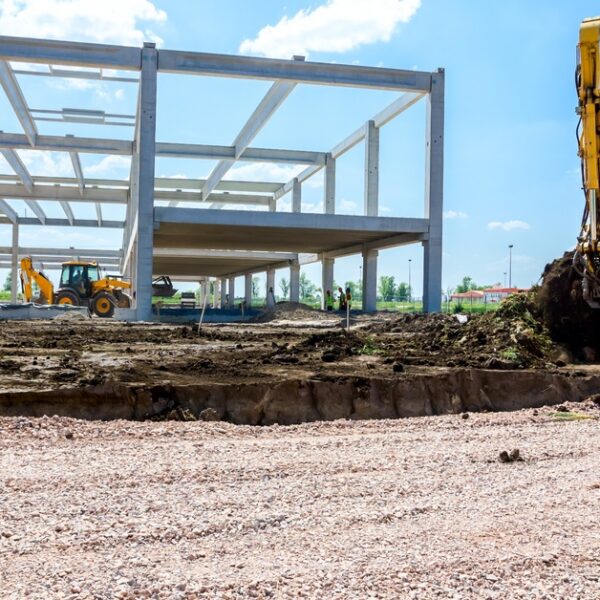
Ground-up construction refers to the process of building a new structure on an undeveloped or cleared piece of land. This type of project begins from scratch, without any existing building to renovate or modify. It involves everything from initial site preparation and foundation work to framing, system installation, and final finishing.
Because it starts from a clean slate, ground-up construction offers maximum control over the design, layout, and materials used. However, it also presents unique financial challenges, as investors require funding for every phase of the development cycle.
Pre-Construction Steps
The pre-construction phase lays the groundwork for the entire project. Careful financial planning during this stage is critical, as it sets the budget and timeline for all subsequent activities.

Acquisition of the Lot
The first tangible step in any ground-up project is securing the land where the building will stand. Financing for land acquisition can be obtained through specialized land loans, which differ from traditional mortgages. Lenders evaluate the property’s value and its development potential before approving these loans.
The cost of the lot can vary significantly based on location, size, and zoning regulations. It is important to secure financing that covers the purchase price and any associated closing costs and fees.
Developing Architectural Plans
After acquiring the land, the next step is to create detailed architectural and engineering plans. These blueprints are essential for obtaining building permits and serve as the guide for the entire construction process.
Architects and engineers charge for their services, which can be a considerable upfront expense. Financing for these design services is often included in a larger construction loan package.
Clearing Land and Preparing the Site
With plans approved, the physical work begins with site preparation. This stage involves clearing the land of any trees, rocks, or debris to create a level and stable surface for construction.
Proper site preparation is crucial to prevent future structural issues. Ground-up construction loans typically cover the costs for this work, including labor and heavy machinery.
Financing Construction Services
The core of the project involves the actual building process, which construction services will manage. This phase requires significant capital to cover materials, labor, and equipment. A comprehensive ground-up construction loan is the primary financing vehicle for this stage.
Setting Up Utilities
Connecting the new structure to essential utilities is a critical step in making it habitable. This includes establishing connections for water, sewer, electricity, and gas. The process can involve extensive trenching and coordination with local utility companies.
The costs associated with setting up utilities can be substantial, depending on the site’s proximity to existing infrastructure. Builders and investors should factor these costs into the overall construction loan plan.
Funding the Foundation and Excavation
The foundation is the base of the entire structure, and its construction requires precise excavation and concrete work. This is a labor-intensive and costly phase that must be completed to exact specifications. A solid foundation ensures the building’s long-term stability.
Framing and Structural Installation
After the foundation is in place, builders will start the building’s skeleton, or frame. This stage gives the structure its shape and includes the installation of walls, floors, and the roof.
It is a significant part of the ground-up building process, laying the bones for the rest of the building’s customization. The cost of materials and skilled labor for framing is a major component of the construction budget.
Installing Mechanical Systems
The next step is to install the mechanical, electrical, and plumbing systems. This includes wiring, pipes, HVAC units, and other essential infrastructure. Proper installation is vital for the building’s functionality and safety.
This is a complex and technical phase that requires specialized contractors. The financing for these systems is part of the construction loan, with funds released upon completion of key installation milestones.
Post-Construction Finances
As construction nears completion, financial planning shifts to the post-construction phase. Investors often require additional financing for post-construction projects such as interior fit-outs, landscaping, marketing efforts to attract tenants, or upgrades to enhance the property’s market value. Consider these post-construction costs when determining the size of your ground-up construction loan.

Financing Options for Ground-Up Construction
Several financing options are available for ground-up construction projects. Traditional bank loans are a common choice, offering competitive rates for qualified borrowers. However, they often come with stringent requirements and a lengthy approval process.
Private real estate lenders offer a more flexible alternative, with faster approvals and less red tape. The speed and flexibility can be advantageous for time-sensitive projects like real estate investment.
Preparing for Financing with Merchants
Navigating the complexities of financing a ground-up construction project requires a reliable financial partner. Ground-up construction can come with many financial surprises—be prepared with a lender who has you covered. At Merchants Mortgage, we specialize in providing tailored financing solutions for every stage of the building process.
Our team understands the unique challenges of construction financing and works with you to structure a loan that fits your project’s specific needs. From lot acquisition to post-construction, we are here to support you at every step. Visit Merchants Mortgage to learn more about our ground-up construction loans.
Successfully financing a ground-up construction project from blueprints to final construction is a detailed process that demands foresight and a strong financial strategy. By understanding the costs at each stage and securing the right type of loan, you can ensure your project moves from blueprint to reality without interruption. A knowledgeable lending partner is invaluable in this journey.
With the proper support, you can confidently navigate the financial landscape and bring your vision to life. Learn more about our ground-up construction loans at Merchants Mortgage to start your building process.