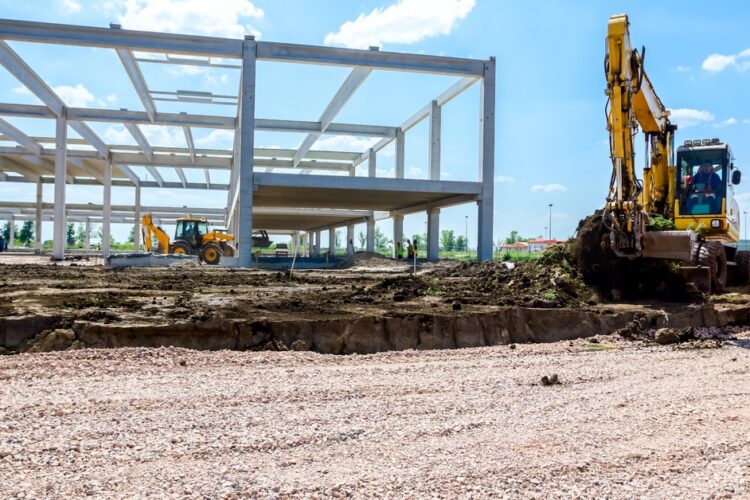

Building a property from the ground up can be one of the most rewarding investments in real estate. It allows investors full control over design, layout, and quality, offering the potential for significant returns. However, financing a ground-up construction project is not without its challenges.
Whether you’re new to real estate or expanding your portfolio, understanding the common mistakes in construction financing can help protect your investment and streamline your project. In this article, we’ll walk through key pitfalls in ground-up construction and how to avoid them so your project can move forward with confidence.
What Are Ground-Up Construction Loans?
A ground-up construction loan is a short-term loan specifically designed to finance the full construction of a new property. These loans are not the same as traditional mortgages, which are used to purchase or refinance existing buildings. Instead, ground-up loans provide funds in phases, commonly known as “draws,” which are disbursed at different stages of the construction process.
These loans are well-suited for investors who want to build properties from scratch. Developers constructing residential subdivisions, commercial buildings, or mixed-use projects also turn to these loans. Since construction loans are more hands-on and require ongoing lender involvement, it’s critical to understand how they work before committing to one.
Underestimating the True Cost of the Project
One of the most common mistakes investors make is underestimating the full cost of construction. It’s not just about the materials and labor. Expenses also include purchasing the land, securing permits, developing architectural and engineering plans, connecting utilities, and handling legal and holding costs. Additionally, you need to account for interest on the loan and unexpected expenses that often arise mid-project.
To avoid this pitfall, it’s essential to prepare a detailed budget that includes all aspects of the project. Being conservative with your estimates and setting aside a contingency reserve can help ensure you don’t run out of funds partway through construction.
Misunderstanding the Loan Terms and Structure
Ground-up construction loans differ significantly from conventional mortgages, and not understanding the structure can lead to problems. Typically, construction loans involve interest-only payments during the building phase, and funds are released based on milestones verified through inspections.
Before taking out a loan, make sure you fully understand how and when you will receive funds. Prepare for the required documentation and ensure you have a plan for repayment, whether through sale or refinance. Lack of clarity around the loan terms can result in serious delays or financial pressure later in the project.
Working With the Wrong Lender
Selecting the right lending partner is crucial. Not every lender is experienced in ground-up construction loans, and choosing one unfamiliar with your specific property type or local market can introduce unnecessary risk. Some lenders specialize in residential builds, while others are better suited for commercial or mixed-use developments.
To prevent issues, it’s best to work with a lender like Merchants who has a proven track record in ground-up construction loans. We’ll understand the process and be better equipped to guide you through potential challenges such as permitting delays, draw inspections, or zoning hurdles.

Overlooking the Importance of Experience
Lenders often evaluate the experience of both the borrower and the construction team when underwriting a loan. If you lack experience in construction or development, you may struggle to secure financing or be offered unfavorable terms. Lenders want to know the project is in capable hands.
If you’re new to the industry, consider partnering with a general contractor or development firm that has successfully completed similar projects. Their experience can lend credibility to your loan application and provide you with critical guidance throughout the build.
Skipping Due Diligence Before Construction Begins
Jumping into a construction project without thorough due diligence can be a costly mistake. Key pre-construction considerations include verifying zoning laws, understanding land-use restrictions, conducting soil and environmental tests, and ensuring access to essential utilities. Title issues or property easements can also become major obstacles if not addressed early.
Taking the time to investigate these factors before applying for a loan or beginning construction can save you from delays, legal problems, or unanticipated costs. Consulting with real estate attorneys, surveyors, and civil engineers is a smart move to help you uncover hidden risks.
Relying on Incomplete or Vague Plans
A vague scope of work or incomplete architectural plans can raise red flags with lenders. They need a clear, well-defined picture of the project, including detailed blueprints, construction timelines, and a line-item budget, to confidently approve funding.
Finalize all construction documents before approaching a lender. Having firm bids from contractors and a documented schedule can go a long way in building lender trust and keeping your financing on track.
Mismanaging Cash Flow During the Build
Even if your loan is approved, improper cash flow management can derail your project. Since construction loans release funds in phases, delays in draw requests or failed inspections can hold up your access to money. This can create problems if you’ve already committed to paying contractors or suppliers.
Staying organized is essential. Keep accurate records, respond to inspection requirements promptly, and have a cushion of working capital on hand to cover any short-term gaps. Open communication with your contractor about payment timelines and loan disbursement expectations is also key.

How to Position Yourself for Financing Success
Successfully navigating ground-up construction loans requires more than just securing funds. It involves careful planning, the right partners, and ongoing communication.
Working with an experienced builder or developer can ease the process and help you avoid delays. Being transparent with your lender, responding to draw requests quickly, and staying involved in the construction timeline are all practices that contribute to a successful outcome.
Keeping extra capital in reserve can also provide peace of mind and a financial safety net if anything goes off schedule. Construction projects are dynamic, and unexpected issues are inevitable, so preparing for them is part of a strong financing strategy.
Ground-up construction financing offers exciting opportunities for investors to shape a property, but they come with unique challenges that require a proactive approach to avoid. From accurately estimating costs and choosing the right lender, to managing cash flow and planning your exit, every detail matters. Avoiding common pitfalls isn’t just about saving money—it’s about setting your project up for long-term success.
With the right preparation and the right team, you can turn a raw piece of land into a profitable asset. Reach out to Merchants Mortgage and Trust today for more information on ground up construction loans to start your next real estate investment.