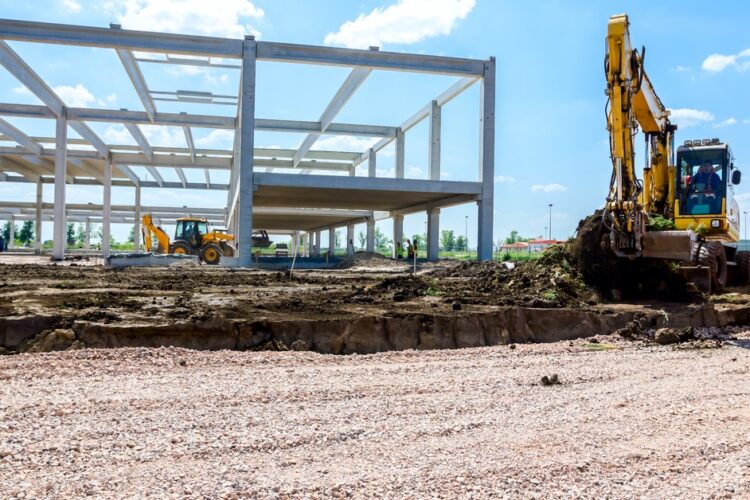
Construction financing requires careful coordination between project expenses and available funding. Unlike traditional mortgages, construction loans release funds in stages as work progresses. Each disbursement supports a specific portion of the project while allowing lenders to monitor development before advancing additional capital.
Managing draw schedules during construction requires investors to understand how funding requests align with construction milestones. A well-organized schedule supports consistent cash flow and gives contractors the resources to maintain progress. Investors who anticipate funding requirements can reduce interruptions and maintain greater control over project expenses.
Establish Clear Funding Milestones Before Construction Begins
A successful draw schedule starts with a detailed construction plan that identifies major development phases and estimates their funding requirements. These estimates create a framework for coordinating loan disbursements with construction activity.
Most ground-up construction lenders evaluate the project budget and anticipated timeline before establishing draw requirements. Investors should review these requirements before construction begins to understand when they can request funds.
Funding milestones should reflect measurable progress rather than arbitrary dates. For example, completing the foundation may trigger one draw while finishing structural framing might qualify for another. Clear milestones allow investors to anticipate funding needs without relying on assumptions about construction progress. Contractors should also understand these milestones before starting work. Early discussions about payment expectations prevents disagreements when expenses arise between scheduled disbursements.
Align Draw Requests With Actual Construction Progress
Construction activity rarely follows a perfectly predictable timeline. Weather conditions or unexpected site issues can shift completion dates, requiring investors to adjust their funding expectations.
Lenders generally release construction funds according to completed work and the loan agreement. Requesting a draw before reaching the required milestone may delay approval, making regular progress monitoring essential.
Weekly discussions with the general contractor allow investors to compare completed work against the original schedule and identify potential concerns. Project tracking software provides additional visibility by organizing completed tasks and upcoming milestones in one location. Accurate progress tracking creates a more reliable connection between construction activity and available capital while reducing funding requests.

Build Realistic Timelines Around Draw Processing
Construction schedules often emphasize how long contractors need to complete each phase, but investors must also consider lender processing times. Draw requests may require inspections or additional documentation before approval.
Processing timelines vary according to the lender and loan agreement. Investors should confirm expected review periods early and incorporate them into the broader construction schedule rather than assuming funds will arrive immediately.
A practical funding timeline should account for several activities, including:
- Milestone completion
- Documentation preparation
- Inspection scheduling
- Lender review
- Payment coordination
Incorporating these activities into the construction schedule allows investors to make more realistic payment commitments and minimize funding interruptions.
Maintain Accurate Records for Every Funding Request
Documentation directly influences the efficiency of construction draw requests because lenders need reliable information to evaluate progress and confirm eligible expenses. Investors should maintain organized financial records throughout construction. A consistent filing system makes it easier to locate supporting documents when lenders request additional information.
Depending on loan requirements, documentation may include contractor invoices and evidence of completed work. Some lenders also request lien waivers before releasing funds, so investors should confirm specific requirements rather than assume every lender follows identical procedures.
Financial records should distinguish approved expenses from costs outside the original budget. This distinction allows investors to identify overruns while maintaining a clear understanding of remaining construction capital.
Coordinate Contractor Payments With Available Funds
Contractor payment schedules deserve careful attention because construction expenses may arise before the next loan disbursement. Investors must understand how payment obligations align with lender-approved funding.
Contract agreements should clearly outline payment milestones that reflect the project’s financing structure whenever possible. Misalignment between contractor invoices and draw availability can create unnecessary pressure on working capital. Subcontractors may follow different billing arrangements, with some requiring deposits before ordering materials and others invoicing after completing work. Identifying these obligations during budget planning allows investors to anticipate expenses more accurately.
Maintaining an appropriate liquidity reserve provides flexibility when payment deadlines fall between disbursements. Clear payment expectations also support productive contractor relationships by allowing crews to coordinate purchasing decisions and labor commitments.

Address Construction Delays Before They Disrupt Funding
Project delays affect the relationship between construction milestones and loan disbursements. Investors should evaluate scheduling changes promptly rather than wait until the next draw request.
A delay involving one contractor may affect subsequent development phases. For example, postponed utility installation could prevent another crew from completing scheduled work and change when the project qualifies for additional funding. Investors should work with contractors to establish revised completion estimates whenever delays occur. Updated timelines provide a more accurate basis for planning future draw requests.
Communication with the lender becomes especially important when significant changes affect the original schedule. Some loan agreements establish completion deadlines or extension requirements, making early discussions valuable for addressing potential complications.
Monitor Budget Changes Throughout Construction
Construction budgets require ongoing attention even when development progresses according to schedule. Material prices may change, or contractors might identify necessary work that exceeds original estimates.
Investors should compare actual spending against approved budget categories after each draw. This review reveals whether remaining funds can support unfinished construction activities and identifies expenses that require closer examination.
Changes to the construction scope deserve particular scrutiny because additional improvements increase expenses without producing an equivalent increase in property value. Investors should evaluate the financial implications before authorizing substantial modifications.
Lenders may require approval for certain budget reallocations or scope changes. Reviewing these requirements before making commitments supports better financial decisions and reduces potential funding complications.
Prepare for the Final Draw and Project Completion
The final construction phase introduces funding considerations that differ from earlier milestones. Investors must account for outstanding contractor balances and remaining lender requirements before requesting the last disbursement.
Final inspections should confirm that construction meets applicable completion standards. Depending on the loan agreement, lenders may also request additional documentation before releasing remaining funds.
Investors should review outstanding invoices and resolve discrepancies before closing out the construction budget. Those planning to sell should coordinate completion with their marketing timeline, while investors pursuing long-term ownership should evaluate permanent financing requirements before loan maturity. Effective closeout planning supports a smoother transition from active construction to the property’s next financial stage.
Strengthen Construction Financing With an Experienced Lending Partner
Managing draw schedules during construction becomes straightforward when investors establish realistic expectations and maintain consistent communication throughout development. Understanding funding requirements allows investors to coordinate construction activity with financial obligations.
At Merchants Mortgage & Trust Corporation, we provide ground-up construction financing for real estate investors pursuing development opportunities. Our extensive lending experience gives us valuable insight into the financing considerations that accompany construction projects. Contact our team to discuss your construction financing needs and explore loan options that align with your investment goals.