

Real estate investment is a proven strategy for financial growth, and among its various methods, “fixing and flipping” properties has gained significant popularity, largely thanks to success stories from TV and social media. This approach involves purchasing a property, renovating it, and then selling it for a profit. It is a fast-paced strategy that requires considerable knowledge, careful planning, and a deep understanding of market mechanics to be successful.
Newcomers to the field often have questions about the process, risks, and capital needed to get started. This guide will address the most common inquiries about fix and flip real estate to provide you with the clarity needed to make informed decisions.
What Exactly Does “Fix and Flip” Mean?
The term “fix and flip” describes an investment strategy where an investor buys a property, typically at a discount due to its poor condition or the seller’s need for a quick sale. The investor then renovates the property to enhance its market value. The ultimate goal is to sell the renovated home for a price that covers the acquisition cost, renovation expenses, and all holding costs, with the remaining amount being the profit.
A key element of this strategy is speed, as carrying costs like loan payments, taxes, and insurance can quickly eat into potential profits. Successful flippers are adept at identifying properties with sufficient potential equity after repairs. They often look for distressed homes in desirable neighborhoods where updated homes command premium prices. A crucial calculation in this process is determining the After Repair Value (ARV), which helps set the maximum purchase price.
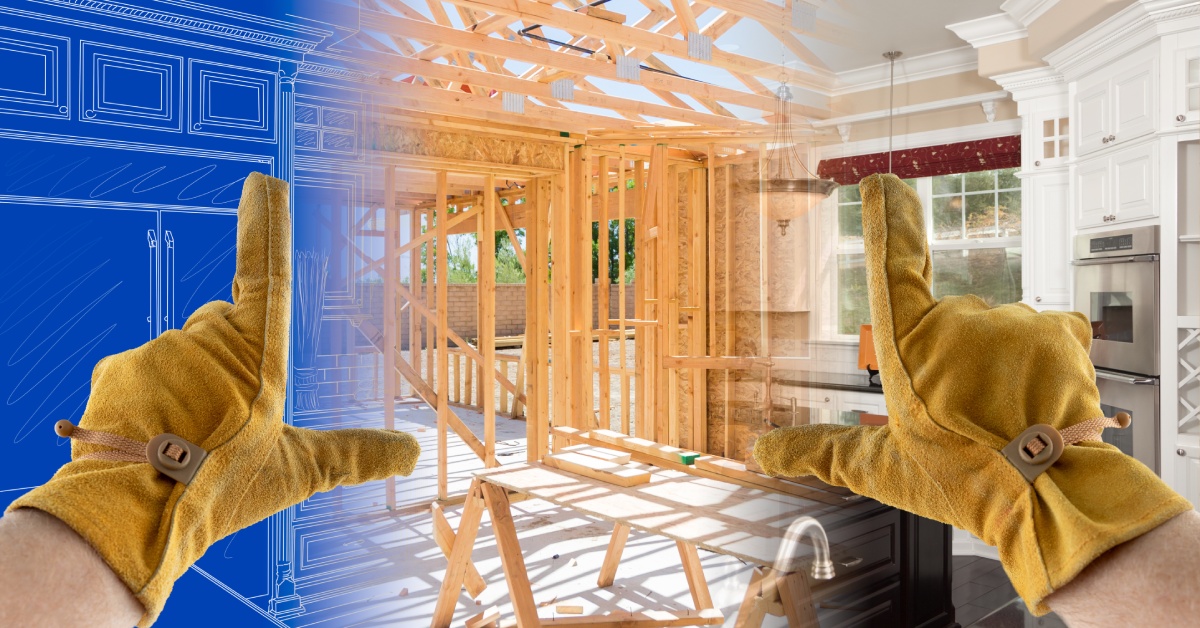
The renovation itself can range from minor cosmetic updates to major structural repairs, such as a new roof or complete system overhauls. After completing the renovation, the final phase is selling the property. This often involves professional staging to attract retail buyers and listing it on the market. A successful sale allows the investor to pay off loans and realize their profit.
Is Fix and Flip Profitable?
Fixing and flipping houses can be highly profitable when done correctly, often generating returns that outperform traditional investments like the stock market in a much shorter time frame. A single successful flip can yield substantial net profit. However, market conditions can shift unexpectedly, and unforeseen renovation issues can arise, making a thorough analysis and a built-in safety margin essential.
Several factors directly impact your bottom line. Securing a property at the right price is foundational to success. Renovation costs also play a major role. Overspending on high-end finishes that don’t add proportional value can quickly erase your profit margin. Adhering to a strict budget and effectively managing contractors are vital.
Location is also paramount. A beautifully renovated home in a declining area will struggle to achieve a high sale price. Choosing areas with strong buyer demand and supportive comparable sales is crucial for hitting your projected ARV.
How Much Capital Do I Need to Start?
The capital required for fixing and flipping varies significantly based on the market and the project’s scope. You’ll need funds for the property purchase, renovation materials, and labor. Additionally, you must be prepared to cover holding costs, which include insurance, utilities, property taxes, and loan interest during the renovation period.
Typically, you’ll need enough cash for a down payment and the initial construction phase. The property’s purchase price is the largest determinant of your entry cost. In affordable markets, you might start with less capital than in high-cost urban areas.
What are the Key Factors for Success?
Success in the fix and flip industry depends on several key elements. First, select the right location. Focus on neighborhoods with low inventory, high buyer demand, good school districts, and convenient amenities, as these properties tend to sell faster and at higher prices.
Second is accurate budgeting. You must meticulously calculate the ARV using reliable, recent comparable sales. This figure will guide your maximum offer and prevent you from overpaying.
Third is effective project management. Keeping the renovation on schedule and within budget is critical. Construction delays increase holding costs and reduce your return on investment. Hire reliable contractors and supervise their work to ensure both quality and timeliness.
Fourth is understanding your target buyer. Renovate the property to meet the expectations of the demographic in that neighborhood. Finally, building a strong team of professionals is invaluable. This includes a real estate agent who understands investment properties, a trustworthy contractor, a reliable lender like our team at Merchants, and a knowledgeable attorney to protect your interests.
What Is the Common Timeline for Fix and Flip?
A typical fix and flip project timeline ranges from three to six months, covering the purchase, renovation, and sale. Experienced investors strive to complete projects quickly to maximize their annualized returns. The acquisition phase usually takes 30-45 days.
The renovation is the part that can vary the most, lasting from four weeks for a minor rehab to several months for a major project. Permitting issues can cause significant delays, so it’s wise to submit applications as soon as you close. The selling phase, from listing to closing, generally takes another 30-60 days, depending on market conditions and your pricing strategy.

Where To Find a Fix and Flip Loan?
Financing a fix and flip is different from getting a standard mortgage. Traditional banks are often hesitant to lend on distressed properties. Instead, investors turn to specialized lenders. Hard money lenders are a primary source of capital, focusing on the property’s value rather than the borrower’s personal income. They offer short-term loans designed for renovation projects.
Specialized fix and flip lenders, like those here at Merchants, understand the unique needs of flippers and can structure loans to cover both purchase and renovation costs. If you’re looking for reliable fix and flip lenders, trust our experienced team at Merchants to get you the capital you need to score a property quickly.
Assessing Your Readiness for Real Estate Investment
Fix and flip real estate offers a compelling opportunity to build significant capital while improving communities. However, it requires a professional mindset and thorough preparation. Remember these common questions investors ask about fix and flip real estate as you educate yourself in this field.
Before making offers, build your network and secure financing. If you have any more questions about fix and flip financing, Merchants is your go-to resource. The journey demands hard work, but the financial rewards can be well worth the effort.