

As we head into the second half of the decade, the real estate market is changing. Inventory shortages still exist in many major cities and other locations. This situation creates opportunities for investors who know where to look.
Certain cities are outperforming the national average due to advantages like favorable tax policies, infrastructure projects, and corporate migration. Investors who target these high-growth areas can expect significant appreciation. For 2026, the focus should be on multifamily properties and residential developments that serve a changing workforce.
We’ve analyzed the data to identify the best places to invest your capital this year. Here are some examples of the top real estate markets for investors in the upcoming 2026.
Top Market 1: Dallas/Ft. Worth, Texas
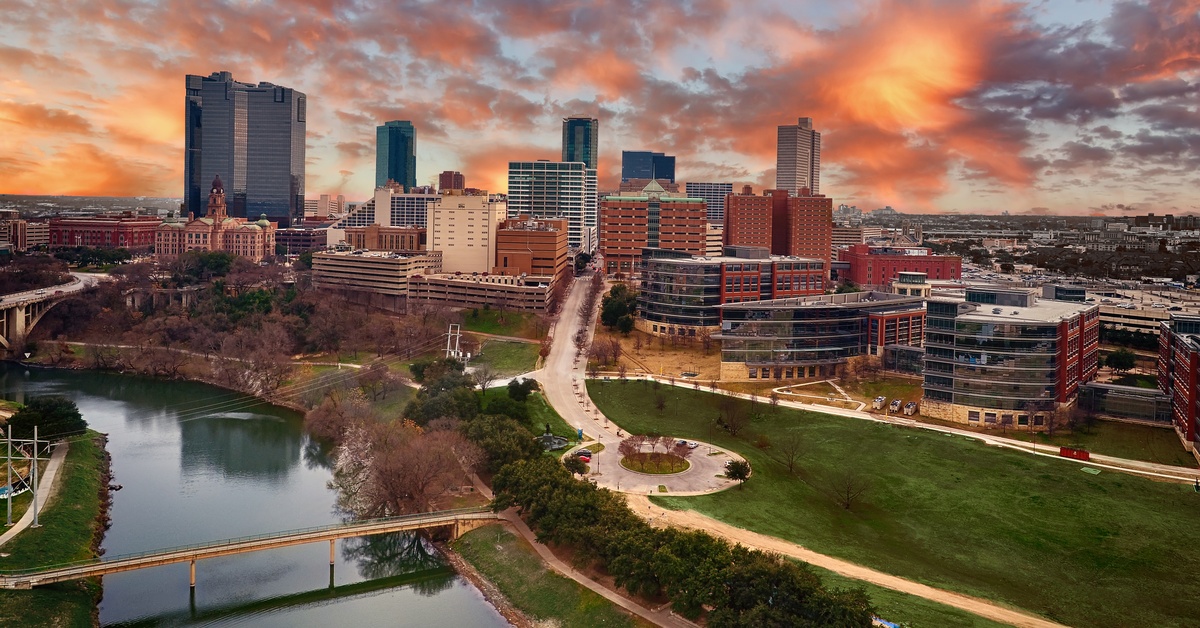
The Dallas-Fort Worth metroplex remains a top market for real estate investment in 2026. This region attracts major corporate headquarters relocating from coastal cities, bringing a steady influx of high-income professionals needing quality housing. The scale of the DFW economy provides a buffer against national downturns.
Population projections suggest expansion will continue to outpace the national average, fueling demand for both single-family rentals and multifamily complexes. Developers find ample land attractive in the northern suburbs, while the urban core offers value-add opportunities.
The rental market is robust due to a housing shortage relative to population growth. While construction has increased, absorption rates are keeping pace. We see specific potential in the B-class multifamily sector, which offers a lower entry point with significant upside through strategic renovations. Additionally, the favorable Texas tax environment, with no state income tax, is a powerful draw for businesses and employees, supporting disposable income and allowing consistent rent increases.
Top Market 2: Jersey City, New Jersey
Jersey City has become more than a satellite of New York City; it’s a vibrant economic hub. The “Gold Coast” waterfront district commands rents rivaling Manhattan but offers newer inventory. Major financial institutions have established large operations here, solidifying local employment.
Connectivity is Jersey City’s strongest asset. The train and ferry systems provide rapid access to Wall Street and Midtown, appealing to professionals seeking a New York salary without Manhattan’s space constraints. As a result, occupancy rates remain exceptionally high.
Investment focus is shifting to neighborhoods further inland, like Journal Square, which represent the next frontier for high-density development and offer a lower acquisition cost than the waterfront.
Local government initiatives have encouraged development through rezoning, streamlining the process for developers. Investors entering these areas now can capitalize on future appreciation. The spread between cap rates in Jersey City and NYC makes this market particularly compelling.
Top Market 3: Miami, Florida
Miami has become a global gateway city with a diversified economy, bolstered by the “Wall Street South” trend of hedge funds and tech firms relocating to the area. This influx has changed the tenant profile, with landlords now catering to a wealthy, mobile workforce demanding luxury amenities. A continuous flow of international capital into Miami real estate helps stabilize property values and insulates the market from domestic economic shifts.
There is also strong potential in workforce housing west of the urban core. Properties serving service industry and mid-level professionals offer consistent cash flow and lower vacancy risk.
While investors must account for high insurance costs, rental revenue growth in Miami currently outpaces these operational expenses. The lack of state income tax is another major catalyst for migration. As long as this wealth migration continues, Miami remains a top-tier market for equity growth.
Top Market 4: Brooklyn, New York
Brooklyn is a cultural and economic powerhouse within the NYC metro. Neighborhoods once considered emerging are now mature, stable investment markets, offering a resilience few other urban areas can match.
We see particular value in the multifamily sector in central and eastern Brooklyn, which offers a discount compared to more established neighborhoods. The extensive subway infrastructure keeps these areas viable for commuters.
The creative and tech sectors have invested heavily in office space at the Brooklyn Navy Yard and Industry City, creating local employment hubs that drive housing demand in adjacent neighborhoods. Tenants are often drawn to the community lifestyle that Manhattan lacks.
Navigating New York’s regulations, especially rent stabilization laws, requires care. However, the sheer depth of demand in Brooklyn provides a safety net. Vacancy rates for well-priced units are historically near zero, making Brooklyn an ideal market for wealth preservation and long-term appreciation.

Additional Markets to Watch
Phoenix, Arizona, remains a strong contender with its growing semiconductor industry and manufacturing jobs supporting a blue-collar rental base. However, water concerns and extreme heat pose long-term risks.
Charlotte, North Carolina, also draws interest from investors, anchored by a strong banking sector. While population growth is steady, rising entry prices have slightly reduced yields.
Nashville, Tennessee, benefits from tourism, healthcare investment, and its entertainment industry driving short-term rental demand. However, a significant supply pipeline may temporarily slow rent growth.
Tips for Investing in These Markets
To succeed in 2026, you need to do more than just pick the right city.
Understand the Area
You must conduct thorough due diligence at the neighborhood and property level. Understand the specific zoning laws and development pipelines that could affect your asset’s value. Local market expertise is non-negotiable when competing for the best deals.
Prioritize Property Management
Effective property management is the lever that drives net operating income. You need a team that can maximize tenant retention and minimize turnover costs. This is especially true in high-growth markets where tenant expectations are rising.
Secure Strategic Financing
Financing remains the critical component of executing any acquisition strategy. Speed and certainty of execution often determine who wins a competitive bid. You need a lending partner who understands the nuances of transitional assets.
For investors looking to secure properties quickly, our experts at Merchants offer specialized multifamily bridge loans. These financial products provide the liquidity needed to close deals and fund renovations before securing permanent financing. Leveraging the right debt structure allows you to optimize your capital stack and enhance overall returns.
The real estate landscape in 2026 offers distinct advantages for the prepared investor. Dallas, Jersey City, Miami, and Brooklyn are some of the best markets for investors, with each showing unique pathways to real estate profitability. These markets combine economic diversity with demographic tailwinds that support long-term value creation.
Investors who align their capital with these growth trends today will secure their portfolios for the decade ahead. Reach out to Merchants today to secure the financial support you need to start closing on these hot real estate markets.