
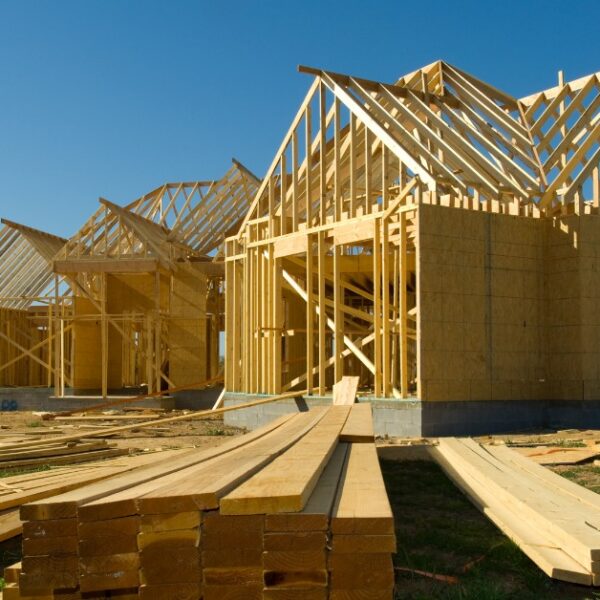
Ground-up construction gives real estate investors an opportunity to create a property from the beginning rather than renovate an existing structure. The process starts with a development plan and progresses through site preparation, construction, inspections, and completion. Investors often pursue these projects when an existing property cannot meet their investment goals or when a vacant site offers development potential.
Understanding what ground-up construction is and how it works requires a look at both the building process and the financing behind it. Each stage affects the project timeline, budget, and path toward completion.
Ground-Up Construction Starts With a New Development
Ground-up construction involves developing a new structure rather than improving an existing building. A project may begin with vacant land or a site that requires preparation before construction crews can start building.
The process gives an investor more control over the finished property because the project begins with a new plan. Instead of adapting an older structure to a new purpose, the development team can plan the property around the intended use from the start.
That distinction separates ground-up projects from fix-and-flip investments. A fix-and-flip project focuses on renovating an existing property, while ground-up development creates a new structure through a complete construction process.
Careful Planning Establishes the Project
Long before crews start working on a site, investors need a detailed plan for the development. The early stage involves evaluating the site and creating plans that define what the project will require.
Local requirements also affect how an investor moves forward. Zoning rules may determine what type of property the site can support, while permitting requirements influence when construction can begin.
A realistic budget matters just as much as the physical plans. Investors need to account for the costs that will take a project from an undeveloped site to a completed property. A clear plan gives lenders a better understanding of the project and the financing request. Experienced ground-up construction lenders evaluate the project with its development plan in mind. The lender may review the proposed scope and other relevant information to understand how the borrower intends to execute the project.

Construction Financing Supports Costs Throughout Development
Ground-up projects create different financing needs than purchases of completed properties. Investors need capital during construction rather than only at acquisition, so construction financing must account for expenses that occur as work progresses.
Ground-up construction loans provide financing specifically for eligible development projects. The exact structure can vary based on the lender and the individual deal, which makes it important for investors to understand the loan terms before construction starts.
A lender may consider factors related to the borrower and proposed project when evaluating a request. Investors should prepare clear information about the development rather than treating financing as a final step after planning. Financing also needs to align with the construction schedule. When investors understand their loan structure, they can coordinate funding expectations with the broader development plan.
Construction Draws Release Funds as Work Progresses
Construction loans commonly use a draw process rather than providing all construction funds at one time. Draws allow funding to correspond with progress on the project. The specific draw procedure depends on the lender and loan terms. Investors should understand documentation requirements and timing before work begins because those details affect coordination with contractors.
A typical project may move through stages such as:
- Site preparation and initial groundwork
- Foundation work
- Framing and structural construction
- Mechanical and interior work
- Finishing work and final project completion
Each stage moves the property closer to its intended finished condition. Investors who understand the draw process can plan construction expenses around the financing structure and reduce confusion during development.
Active Project Management Keeps Construction Moving Forward
Securing financing does not end the investor’s responsibilities. Ground-up construction requires active oversight because budgets and schedules depend on work progressing according to the project plan.
Contractor coordination deserves close attention throughout development. Investors need visibility into completed work and upcoming expenses so they can identify potential issues before those issues disrupt later phases.
Changes during construction may also affect costs. Material decisions or modifications to the original scope can alter the budget and timeline. Consistent oversight allows the investor to compare actual progress against the original plan. Strong documentation supports that oversight; organized records make it easier to track project expenses and communicate with the lender during the construction period.
Inspections and Local Requirements Shape the Construction Timeline
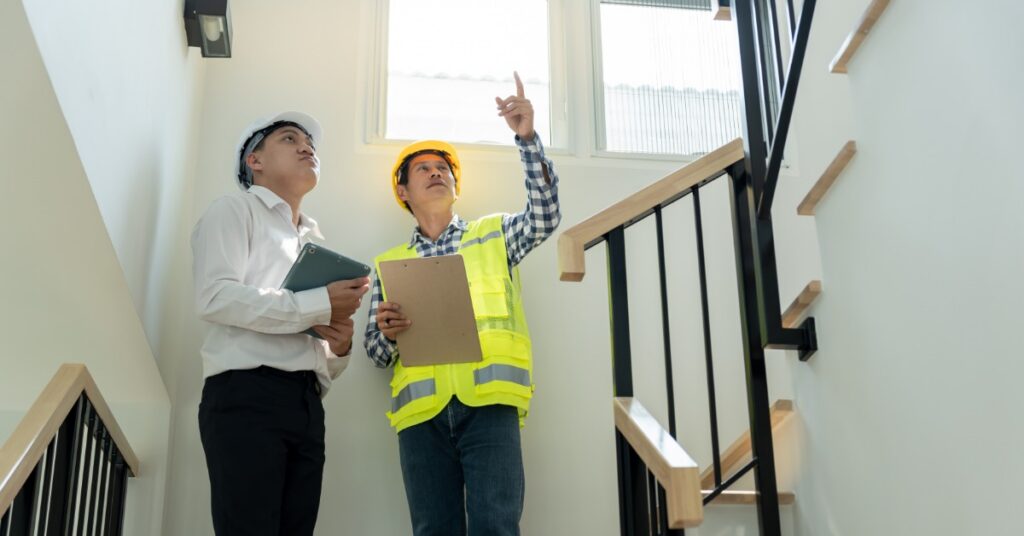
A ground-up development must follow applicable local construction requirements from the beginning through completion. Investors should account for required permits and inspections when establishing a realistic schedule.
Local authorities may review work at different points in the construction process. Because requirements vary by location and project type, investors should identify the applicable rules before starting development. Inspection timing can affect the pace of construction. A schedule that ignores local review requirements may create unrealistic expectations about when crews can move from one stage to the next.
Investors should also distinguish local building inspections from any lender-related review that their financing may require. Understanding both processes creates a clearer picture of the milestones that could affect the project.
Project Completion Creates the Next Financing Decision
The end of construction marks a transition rather than the end of the investment strategy. Once the project reaches completion, the investor needs a plan for what comes next.
Some investors may plan to sell the finished property. Others might intend to hold the property and pursue longer-term financing that fits the completed asset and investment strategy. That exit plan deserves consideration before construction begins, as the expected outcome can influence the original budget and the financing structure that an investor pursues.
For anyone wondering what ground-up construction is and how it works, this final stage provides an important part of the answer. Ground-up construction connects planning and financing with a defined development process that ultimately produces a completed property.
The Right Financing Relationship Supports a Stronger Construction Plan
Ground-up construction combines real estate investment with an extensive development process. Investors need to evaluate the site and financing structure while maintaining a realistic view of construction costs and timing. A lender with experience in investor-focused construction financing can provide a financing structure designed for this type of project. Borrowers should still review the terms carefully and understand their responsibilities throughout the loan.
At Merchants Mortgage & Trust Corporation, we provide ground-up construction loans for real estate investors pursuing new development opportunities. Our team brings more than 60 years of real estate lending experience to the financing process.
Investors considering a ground-up project can contact us to discuss the property, proposed development, and financing needs. We can review the opportunity and explain available lending options for qualifying projects.